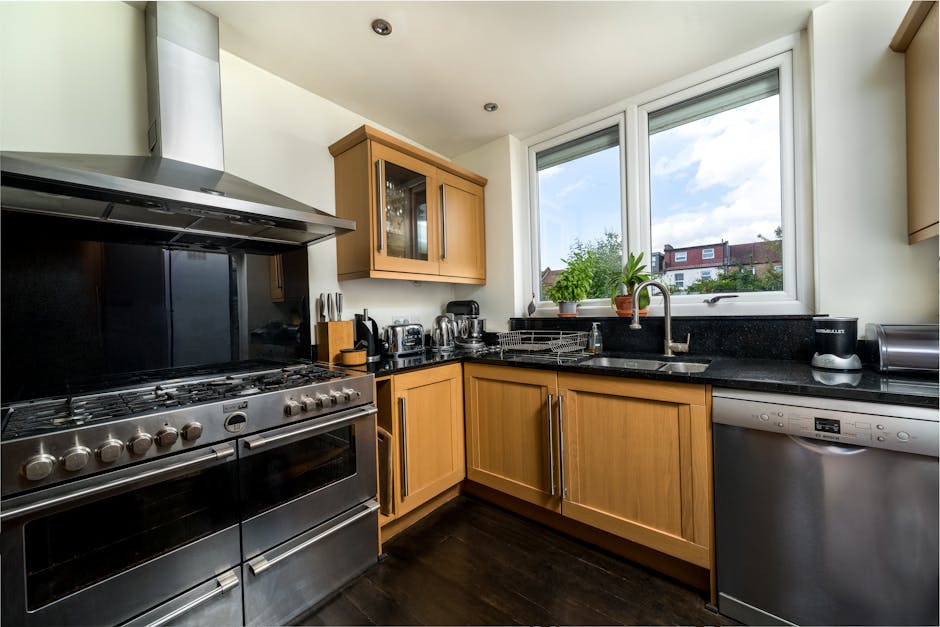
Kitchen deep cleaning for homes on Clarence Street Kingston
Posted on 15/05/2026
Kitchen deep cleaning for homes on Clarence Street Kingston: a practical guide for spotless, safer kitchens
If your kitchen has started to feel a bit tired - greasy extractor fans, sticky cupboard handles, a faint smell from the bin area, maybe crumbs that seem to appear from nowhere - you are not alone. Kitchen deep cleaning for homes on Clarence Street Kingston is about getting beyond the usual wipe-down and tackling the hidden build-up that everyday cleaning misses.
For homes on Clarence Street, that often means working around busy routines, shared family use, rental move-outs, or simply a kitchen that gets a lot of traffic. This guide explains what deep cleaning actually involves, why it matters, how the process works, and how to judge whether you should do it yourself or bring in help. To be fair, a kitchen can look fine at a glance and still need a proper reset.
Along the way, you will find practical steps, common mistakes, a simple checklist, and a few trust signals to help you choose the right approach. If you are also looking at broader support for the rest of the home, our domestic cleaning Kingston and house cleaning Kingston pages are useful next stops.

Why Kitchen deep cleaning for homes on Clarence Street Kingston Matters
The kitchen is usually the hardest-working room in the house. It handles spills, steam, grease, food storage, foot traffic, and the occasional rushed breakfast before everyone heads out the door. On a street like Clarence Street, where homes may be busy, compact, or simply lived in properly, kitchen surfaces can accumulate grime faster than most people realise.
Deep cleaning matters because kitchens hide dirt in places you do not notice during a normal tidy. Think behind the hob, inside cupboard edges, around taps, under small appliances, and in the gaps where dust mixes with cooking residue. That mixture can become stubborn. If you leave it too long, it can smell, attract pests, dull finishes, and make the whole room feel less pleasant.
There is also the practical side. A cleaner kitchen is easier to cook in, easier to maintain, and usually more hygienic. That does not mean it needs to look showroom-perfect. It just means the space should feel fresh, safe, and manageable again. Honestly, that small difference can change how you feel about the whole home.
If you are weighing up whether a broader home clean is needed, our services overview gives a helpful picture of how kitchen cleaning fits into a wider domestic clean.
How Kitchen deep cleaning for homes on Clarence Street Kingston Works
Deep cleaning is more thorough than routine cleaning. The job is not just to make visible surfaces look neat; it is to remove built-up residue, sanitise touchpoints, and reset areas that are often neglected. In most homes, the work usually follows a sensible sequence so nothing gets missed and dirt does not get spread around.
A proper kitchen deep clean often begins with decluttering. Small items come off the counters, bin liners are replaced, and loose debris is removed. Then the cleaning moves from top to bottom: light fixtures, extractor exterior, cupboard tops, wall splashes, splashbacks, worktops, appliance exteriors, appliance interiors where appropriate, sink and taps, kickboards, and finally the floor.
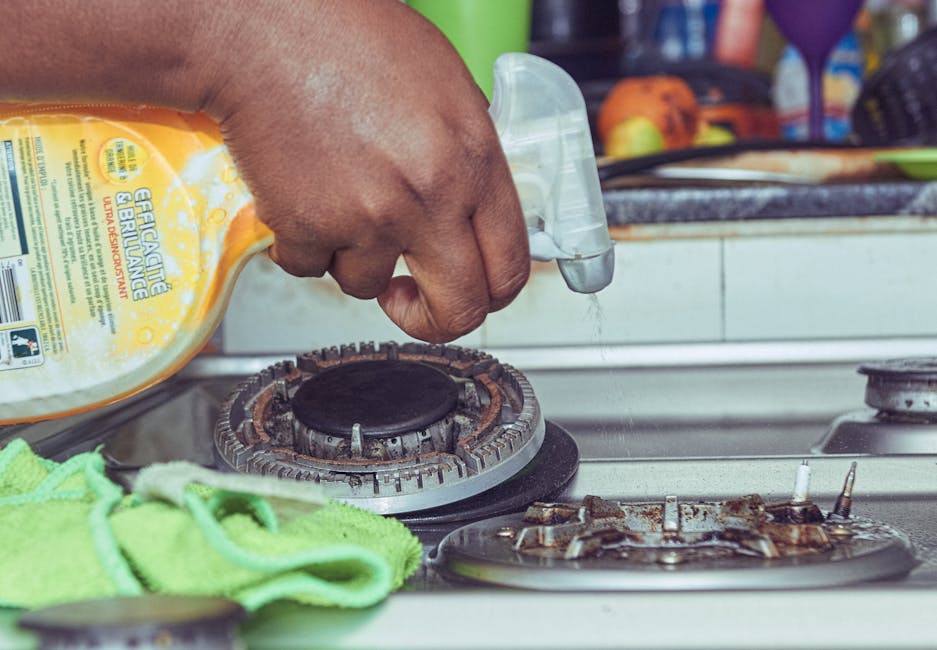
One thing people often forget is that grease behaves differently from dust. Dust wipes away quickly, but grease can cling, soften, and smear if the wrong product is used. That is why kitchen deep cleaning is part technique, part patience. You clean, let products sit where needed, then return and wipe properly. A quick swipe is not always enough. Not even close, sometimes.
For stubborn fabric or upholstered dining seating near the kitchen, you may also want to look at upholstery cleaning in Kingston, especially if cooking odours have settled into soft furnishings.
Key Benefits and Practical Advantages
There are plenty of reasons to invest in a deep kitchen clean, and most of them are practical rather than fancy. The first benefit is obvious: the kitchen looks and feels better. But the real value runs deeper than appearance.
- Better hygiene: grease, crumbs, and food residue are reduced in the places that matter most.
- Less odour: bins, drains, and overlooked corners are cleaned properly, which helps the room smell fresher.
- Longer-lasting surfaces: regular removal of grime helps protect finishes, handles, and fittings.
- Improved cooking space: a clean kitchen is simply easier to use, especially when you are short on time.
- Better first impressions: useful if you are hosting, selling, or preparing for an end-of-tenancy inspection.
There is another advantage that often gets ignored: mental clarity. A messy kitchen can become background stress. A clean one removes that low-level irritation, the sort you do not always notice until it is gone. You open the cupboard, and it feels calm. Small thing, big difference.
If you are planning a more serious refresh before a tenancy handover, our end of tenancy cleaning Kingston page explains how kitchen work fits into a full move-out clean.
Who This Is For and When It Makes Sense
This type of cleaning suits more households than people expect. It is not just for kitchens that have gone properly neglected. In fact, many well-kept homes benefit from a periodic deep clean because normal weekly cleaning rarely reaches every edge and hidden surface.
It makes sense if you are:
- preparing for guests or family visits
- moving in or moving out of a property
- trying to recover a kitchen after months of build-up
- managing a busy family home where cooking happens daily
- noticing sticky cupboards, greasy tiles, or a dull hob
- wanting a reset before starting a more regular cleaning routine
It is also a sensible option for landlords and tenants who want to avoid rushed last-minute scrubbing. Kingston homes can be busy places, and kitchens often take the hardest hit. If you are interested in property ownership or letting in the local area, you may also find our pieces on investing wisely in Kingston property and Kingston real estate investment useful background reading.
Truth be told, if you find yourself noticing the same sticky patch every week, that is usually the kitchen telling you it needs more than a surface clean.
Step-by-Step Guidance
A good kitchen deep clean works best when you move in a deliberate order. Rushing around randomly means you will clean some areas twice and miss others completely. Here is a method that works well in real homes.
- Clear the space: remove items from worktops, fridge shelves if needed, and any loose clutter.
- Dry clean first: sweep, vacuum, or collect crumbs before using water or liquid cleaner.
- Tackle high surfaces: clean cabinet tops, light fittings, extractor exteriors, and the upper parts of tiles or splashbacks.
- Work on grease points: hob, cooker hood, handles, switches, cupboard fronts, and areas around the sink.
- Clean inside where appropriate: microwave interior, oven surfaces, fridge shelves, bin area, and cupboard interiors.
- Disinfect touchpoints: taps, handles, appliance buttons, and fridge doors.
- Finish with the floor: mop only after all debris is removed so you are not dragging dirt around again.
A useful little tip: keep one cloth for grease-heavy areas and another for cleaner surfaces. Mixing everything together tends to spread the mess, which is, frankly, a bit of a pain. If you are cleaning around lunch time or after school runs, you may notice the kitchen feels twice as chaotic before it gets better. That is normal.
For households wanting a fuller reset across the property, a house cleaning Kingston service can support the rest of the rooms while the kitchen gets a focused deep clean.
Expert Tips for Better Results
There are a few small habits that make a deep clean much more effective. None of them are complicated. They just save time and stop you from undoing your own work.
- Let products dwell: on grease, a cleaner often needs a short pause before wiping. Immediate scrubbing can be less effective.
- Use warm water carefully: it helps shift residue, but too much can smear grease or damage some finishes.
- Go from cleanest to dirtiest: that sounds obvious, yet people often start with the worst corner and then carry grime everywhere else.
- Pay attention to edges: the small line where the hob meets the counter, the seal around the sink, and the edge of the splashback often need a second pass.
- Don't forget the inside of handles: they gather oil from fingers and can feel surprisingly grim when ignored.
Another good habit is to test cleaning products on a small hidden patch, especially on painted cupboards, laminate, or delicate stone. Harsh chemicals or abrasive pads can leave a dull mark that is far harder to fix than the original stain. A careful clean is nearly always the better clean.
And yes, there is such a thing as over-cleaning. If you scrub a finish too aggressively, you may do more harm than good. That little balance matters.
Common Mistakes to Avoid
Most kitchen deep cleaning problems come from a few predictable mistakes. They are easy to make, especially when you are trying to get the job done quickly.
- Using the wrong sponge: abrasive pads can scratch stainless steel, glass, and glossy cupboard fronts.
- Spraying too much product: more is not always better. Excess liquid can leave streaks or residue.
- Cleaning in the wrong order: if you mop first and then clean cupboards, you will need to mop again.
- Ignoring ventilation: kitchens get warm and damp during cleaning, so open a window if you can.
- Forgetting hidden contamination points: bin lids, behind appliances, and the underside of cupboard handles are common trouble spots.
One more mistake, and it is a big one: stopping at what you can see. Kitchens punish that shortcut. The shiny surface may fool you, but the grimy extractor filter or sticky skirting line will tell the truth later. Usually when you are least in the mood for it.
Tools, Resources and Recommendations
You do not need a mountain of equipment to deep clean a kitchen, but the right basics make the work much smoother. Keep it simple and sensible.
| Tool or item | Best use | Why it helps |
|---|---|---|
| Microfibre cloths | General wiping, drying, polishing | Good for trapping dust and reducing streaks |
| Soft scrub pad | Stubborn but non-delicate build-up | Helps lift residue without harsh abrasion |
| Degreasing cleaner | Hob, extractor, cupboard fronts, splashback | Targets oily deposits more effectively than general spray |
| Vacuum or hand brush | Crumbs, dust, corners, kickboards | Prevents grit from spreading during wet cleaning |
| Bucket and warm water | Rinsing and floor cleaning | Useful for a controlled, staged clean |
For people who want help with particular problem areas, specialist services can make a real difference. A greasy kitchen often overlaps with floor and fabric issues too, which is why carpet cleaning Kingston can be a smart add-on if kitchen traffic has pushed dirt into adjacent rooms.
If you are comparing service options or trying to understand what is included, it is also worth checking pricing and quotes so you know how the work is usually structured before you book.
Law, Compliance, Standards, or Best Practice
For domestic kitchen cleaning, there is usually no complicated legal framework that homeowners need to worry about day to day. Even so, good practice still matters. Safe handling of products, sensible ventilation, and careful use of electrical appliances around water are all part of a responsible clean.
If you are hiring a cleaner or arranging work in a shared property, it is wise to ask how they handle health and safety, insurance, and complaints. Those are not awkward questions. They are normal ones. A professional service should be able to explain its approach clearly and calmly. You want confidence, not vague promises.
It can also help to understand the company's policies before booking. Relevant pages such as health and safety policy, insurance and safety, terms and conditions, and complaints procedure give useful reassurance about how a service is run.
Best practice is really about three things: cleaning safely, cleaning thoroughly, and leaving the kitchen in a condition that is genuinely ready to use. That sounds simple, but you would be surprised how often the last part gets overlooked.
Options, Methods, or Comparison Table
Not every kitchen needs the same level of attention. Sometimes a light refresh is enough. Other times, especially after a long period of heavy use, only a full deep clean will make the room feel right again. The table below helps show the difference.
| Approach | Best for | Typical focus | Limitations |
|---|---|---|---|
| Routine clean | Weekly maintenance | Wipe surfaces, empty bins, mop floor | Misses build-up in hidden areas |
| Targeted deep clean | Greasy hob, cupboard fronts, sink area | Problem spots and touchpoints | Does not fully reset the entire room |
| Full kitchen deep clean | Move-outs, seasonal resets, heavy use | Top-to-bottom clean of visible and hidden areas | Takes longer and needs more attention to detail |
If you are unsure which route to take, ask yourself one question: do you want the kitchen to look cleaner, or do you want it to be properly reset? That is usually the dividing line.
For readers comparing wider home support, domestic cleaning Kingston is a useful option for regular upkeep, while a one-off kitchen deep clean is better when the room needs concentrated attention.
Case Study or Real-World Example
Here is a realistic example based on the kind of situation many Clarence Street households run into. A family uses the kitchen heavily: breakfast rush in the morning, evening cooking, packed lunches, the works. The kitchen does not look disastrous, but the extractor hood has a greasy film, cupboard doors near the hob feel sticky, and the bin corner has a faint smell that will not quite go away.
They start with a quick weekend clean, but after wiping the counters and mopping the floor, the room still feels off. The issue is not the visible mess. It is the build-up around handles, seals, and cooking areas. Once those spots are cleaned properly, the kitchen changes character. It smells fresher. It looks brighter. Even the light seems better, which sounds dramatic, but anyone who has cleaned a greasy kitchen knows the feeling.
That is the main lesson: if the room still feels dirty after a surface clean, the problem is almost always in the details. A proper deep clean is slower, yes, but it usually gives the result people were actually hoping for in the first place.
Practical Checklist
Use this checklist before, during, or after your kitchen deep clean. It keeps the job focused and stops little jobs from being forgotten.
- Remove clutter from worktops and table areas
- Empty or tidy the bin zone
- Dust or vacuum crumbs before using liquids
- Clean cupboard fronts and handles
- Degrease the hob and extractor area
- Wipe splashbacks and wall splashes
- Clean the sink, taps, and drain area
- Check inside the microwave and fridge as needed
- Wipe around switches and sockets carefully, without soaking them
- Clean kickboards and lower edges of units
- Finish by mopping the floor
- Open a window or ventilate the room afterwards
Quick expert summary: focus on grease points, hidden edges, and the order of cleaning. If those three things are handled well, most kitchens improve dramatically. If they are not, the room can still feel half-done, even if it looks tidy from the doorway.
Conclusion
Kitchen deep cleaning for homes on Clarence Street Kingston is less about perfection and more about restoring a room to proper working condition. A good deep clean removes the grime that builds up quietly, supports a healthier-feeling space, and makes everyday cooking a lot more pleasant. It also gives you a reset point, which can be surprisingly motivating.
Whether you are preparing for guests, moving home, or simply tired of fighting sticky cupboard doors and a tired-looking hob, the right approach makes the job manageable. You do not need to do everything at once, and you do not need to overcomplicate it. Just work methodically, stay safe, and pay attention to the details that matter.
If you are ready to compare service options or want help deciding what level of clean your kitchen actually needs, explore the relevant Kingston cleaning pages and choose the option that fits your home best.
Get a free quote today and see how much you can save.
And if all you need is a fresh start for one room, that is perfectly fine too. Sometimes a clean kitchen is the easiest way to make the whole house feel better.