Waste and recycling rules Kingston Council for cleaning businesses: a practical guide for staying compliant and tidy
If you run a cleaning business in Kingston, waste is not just "the rubbish at the end of the job". It is part of how professional you look, how safely you work, and whether you stay on the right side of local expectations. The rules around waste and recycling can feel fiddly at first, especially when you are dealing with bin bags, packaging, dirty cloths, removals, and the odd awkward item that turns up at the end of a clean. This guide breaks down Waste and recycling rules Kingston Council for cleaning businesses in plain English, so you can handle waste properly without wasting time, money, or goodwill.
You will find what the rules mean in practice, how to build a simple system for collections and segregation, what usually goes wrong, and how to keep your team consistent. There is also a checklist, a comparison table, and a real-world example so you can see how all the pieces fit together. Let's face it: nobody starts a cleaning business because they love waste paperwork. But once your system is clean and repeatable, everything else becomes easier.
Why Waste and recycling rules Kingston Council for cleaning businesses Matters
Cleaning businesses create waste every day, even when the job looks small. Think bin liners, paper towels, vacuum contents, empty spray bottles, disposable gloves, packaging from supplies, and the occasional broken accessory or forgotten clutter. In a domestic setting, that waste may be light. In an office, a communal building, or an end-of-tenancy clean, it can build up fast. If you are doing commercial cleaning or frequent regular cleaning, waste handling becomes part of the service, not an afterthought.
Kingston Council expects businesses to manage waste responsibly. In practical terms, that usually means sorting waste sensibly, avoiding contamination, keeping waste secure, and using the right route for disposal. Not every job produces the same kind of waste either. A quick office clean tends to involve paper and general waste. An after builders cleaning job may bring dust, rubble, adhesive scraps, and packaging. And an intensive deep cleaning appointment can generate more disposable material than people expect.
The reason this matters is simple: poor waste handling can create complaints, extra charges, delays, and avoidable stress. It can also undermine your reputation. Clients notice when bags are left in the wrong place or when recyclable material is thrown in with general waste. A tidy waste process says, quietly but clearly, that you are professional and reliable.
Expert summary: for cleaning businesses, waste compliance is not just about disposal. It is about sorting, storage, collection, documentation, and day-to-day discipline. Get those right and everything else gets easier.
How Waste and recycling rules Kingston Council for cleaning businesses Works
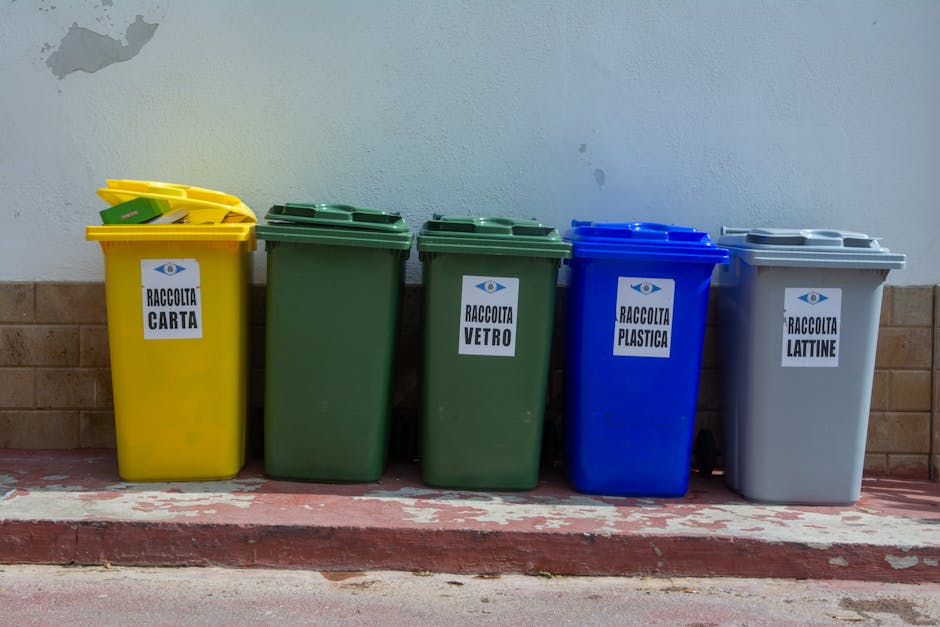
The exact requirements can vary depending on the type of premises, the waste stream, and how the waste is being collected. But the general process is fairly straightforward. First, identify what kind of waste the job creates. Then separate what can be recycled from what must go into general waste. After that, store it safely, label it clearly if needed, and arrange proper collection or authorised disposal.
For a cleaning company, the tricky part is consistency. One job might produce mainly paper and cardboard. Another might include food waste from a kitchen clean, soft plastics from product packaging, or contaminated items that cannot be recycled. A one-off job is easy to handle once. A recurring contract is where systems matter. If you offer one-off cleaning, the waste plan may be simple. If you deliver office cleaning or communal area cleaning, you need a repeatable routine that staff can follow without thinking twice.
In Kingston, a lot of the practical work comes down to local collection arrangements, correct separation, and making sure you are not putting business waste into household systems or vice versa. That last point catches people out. A small business bagging waste and leaving it somewhere convenient can still be responsible for arranging its own lawful disposal. Convenience is lovely. Compliance is better.
For cleaning businesses that handle specialist jobs, the waste picture gets more detailed. For example, carpet cleaning, upholstery cleaning, and steam carpet cleaning may create waste water handling considerations, packaging, and contaminated cloths. A job such as pet stain odour removal may involve absorbent materials or soiled disposables that need careful bagging. None of that is complicated on its own, but the detail matters.
Key Benefits and Practical Advantages
Staying on top of waste and recycling rules is not just about avoiding trouble. There are real business upsides too, and some of them are surprisingly practical.
- Cleaner operations: if waste is sorted and removed properly, your work area stays safer and easier to manage.
- Better client trust: customers notice good housekeeping. It gives a strong, quiet impression.
- Fewer surprises: clear waste procedures reduce last-minute panic about where to put bags or who is taking what.
- Improved staff habits: once your team knows the system, they make fewer mistakes.
- Lower contamination risk: recycling is more likely to be accepted if it is not mixed with food waste or chemicals.
- Stronger sustainability story: if you care about the environment, your waste routines should show it in a real, visible way. A page like recycling and sustainability can support that message well.
There is also a human benefit that gets overlooked. A tidy, predictable waste process reduces friction inside the business. Nobody likes arguing over whether a bag should go here or there at 7:30 in the morning. Set a rule once, write it down, and move on. Honestly, that alone saves energy.
Who This Is For and When It Makes Sense
This guidance is for any cleaning business in Kingston that creates, handles, or removes waste as part of its work. That includes sole traders, small local teams, and larger firms doing commercial contracts. It is especially useful if you work in places where waste volume changes from job to job.
You will find it most useful if you:
- clean offices, shared buildings, or managed properties;
- carry out end-of-tenancy or move-related work;
- offer specialist services that generate lots of packaging or disposables;
- manage teams and need a simple site checklist;
- want to improve recycling rates without making the process complicated;
- need a more professional waste routine for client handovers.
If your work is mainly domestic, the rules still matter. Domestic domestic cleaning and house cleaning can produce far less waste than a commercial contract, but you still need to know what to do with rubbish found on site. The same goes for move-out cleaning and end-of-tenancy cleaning, where leftover belongings, bags, broken items, and packaging can turn up in a hurry.
And yes, it matters even more when the property is messy. In the real world, that is often where the awkward stuff appears. Half-empty paint tubs, food containers, broken hangers, dusty takeaway cups under a sofa. Lovely little surprises. Not.
Step-by-Step Guidance
If you want a waste process that actually works, keep it simple. Fancy systems usually fall apart once the team gets busy. A plain, clear routine wins almost every time.
- Identify the waste before the job starts. Ask what the property is likely to produce: general rubbish, recyclable packaging, food waste, broken items, or specialist material.
- Check the site bins and collection arrangements. If the client provides bins, make sure you know which bin is which. If not, plan your own removal method in advance.
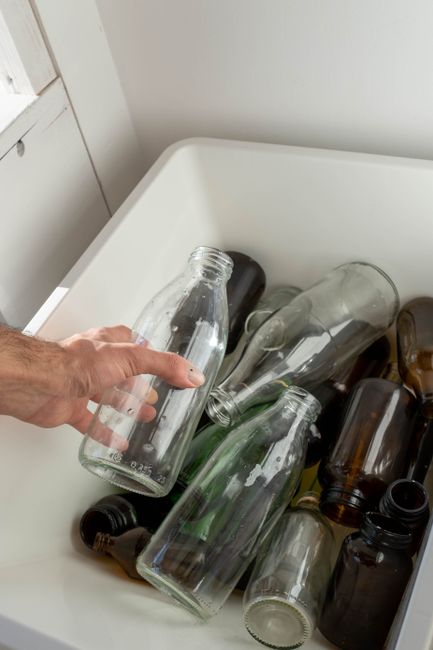
- Separate recycling from general waste. Keep cardboard, clean plastic, paper, and other suitable recyclables apart from contaminated items.
- Bag waste securely. Use strong liners, tie bags properly, and avoid overfilling. A split bag in a van is a mess nobody wants.
- Handle contaminated items carefully. Anything soiled with food, bodily waste, chemicals, or heavy grime may not be recyclable. Treat it as general waste unless your waste route says otherwise.
- Store waste safely until collection. Keep bags away from public access, pests, and trip hazards.
- Log recurring issues. If the same site always generates excess waste, fix the root cause rather than just coping each week.
- Review the process regularly. Waste habits drift over time. A quick monthly review can save a lot of grief.
For businesses doing more specialised work, add service-specific notes. For example, after oven cleaning, greasy cloths and used liners may need careful disposal. For window cleaning, packaging from chemicals or consumables should be checked before it goes in recycling. Small job, small details, but they stack up.
Expert Tips for Better Results
In our experience, the best waste systems are the ones that make the right choice obvious. Nobody should have to guess at the bin lid while carrying a soggy bag in one hand. A few practical habits make a big difference.
- Label bins and bags clearly. Use plain language your staff understand. "Paper only" works better than a cryptic code.
- Keep a waste kit in every vehicle. Spares save you when the day gets longer than expected, which it often does.
- Use a contamination check before disposal. A quick glance can stop mixed recycling from becoming general waste.
- Train new staff on real examples. Show them actual waste types from your jobs, not just policy wording.
- Match the waste plan to the service. A regular cleaning contract needs a simpler rhythm than a one-off cleaning project.
- Plan for awkward items. Mattresses, broken small appliances, large cardboard boxes, or heavy black bags often need separate handling. These show up more often than people think.
One small trick: build a five-second "leave the site clean" routine into the end of every visit. It sounds almost too basic, but it works. Bins closed, bags secured, recycling separated, floors checked. Done. Move on.
Common Mistakes to Avoid
Most waste problems are not dramatic. They are tiny habits repeated until they become a headache. Here are the big ones to watch for.
- Mixing recyclable and non-recyclable waste. One dirty item can contaminate a whole bag.
- Leaving waste in the wrong place. Hallways, shared entrances, fire exits, and pavements are not storage areas.
- Assuming the client will handle everything. That can be a dangerous assumption unless your contract says so clearly.
- Ignoring job-specific waste. After a builders clean or clearance-style job, the waste profile changes fast.
- Using flimsy bags. A torn liner in a van is a miserable way to finish a shift.
- Failing to brief new staff. People cannot follow a system they never properly heard about.
One of the easiest mistakes to make is underestimating how much waste a property can hide. A neat office can still generate a surprising amount of paper and packaging. A tidy flat can still have bags of mixed clutter under a bed. You know the feeling when a "quick job" turns into three trips to the bin? Exactly.
Tools, Resources and Recommendations
You do not need a complicated toolkit. You need a reliable one. For most cleaning businesses, a simple set-up is enough to keep waste under control.
- Colour-coded or clearly labelled bags: useful for separating recycling, general waste, and any specialist streams.
- Sturdy bin liners and sacks: stronger bags reduce spill risk and wasted time.
- Job checklists: especially helpful for teams doing move-in cleaning or move-out cleaning.
- Vehicle storage tubs: keep waste, recycling, and cleaning materials separated in transit.
- Staff briefing sheets: short notes beat long policy documents nobody reads on the clock.
- Recurring-site waste notes: handy for buildings that always generate the same type of waste.
If your business is trying to improve sustainability, it helps to connect waste handling with other services too. For example, carpet and soft furnishing work such as rug cleaning, sofa cleaning, and mattress cleaning often involve packaging, disposable cloths, and the occasional badly worn item. Treat the waste side as part of the service design, not a clean-up after the clean-up.
If you want to reinforce your company's standards, pages like health and safety policy, insurance and safety, and about us can help show that your business takes responsible operations seriously. That matters more than people admit.
Law, Compliance, Standards, or Best Practice
Waste handling in the UK sits within a broader compliance picture that includes duty of care, safe storage, correct segregation, and lawful collection or disposal. For a cleaning business, the sensible approach is to work on the basis that you are responsible for the waste you produce or remove until it is handed over correctly. The exact legal route depends on the type of waste and the arrangement you have with the client and any waste carrier or disposal provider.
Good practice usually means the following:
- do not mix different waste streams unless the collection route allows it;
- keep waste secure and do not create hazards for residents, staff, or passers-by;
- avoid leaving waste where it could attract pests, spill, or block access;
- train staff so that disposal decisions are consistent;
- document your process internally, especially for recurring commercial contracts;
- review local expectations if you are working across multiple premises types.
For businesses operating in shared spaces, the bar is often higher in practice. A building manager will not care that a bag was "only there for a minute" if it blocked access or damaged the look of the site. Common sense counts here, and to be fair that is often where the best compliance starts. Cleaners who work in communal area cleaning or property maintenance know this instinctively: if it looks untidy, it probably is untidy.
One more thing. If you deal with anything unusual, such as heavily contaminated material or large-scale clearance waste, stop and check the correct disposal route before you act. Guessing is expensive. Sometimes very expensive.
Options, Methods, or Comparison Table
Different businesses handle waste in different ways. The right method depends on volume, job type, and how often you clean the same sites. Here is a simple comparison to help you decide what fits best.
| Method | Best for | Advantages | Watch-outs |
|---|---|---|---|
| Basic mixed waste disposal | Very small domestic jobs | Fast, simple, low admin | Easy to contaminate recycling; not ideal for recurring commercial work |
| Separated recycling and general waste | Most small and medium cleaning businesses | Better sustainability, clearer routines, fewer mistakes | Needs staff discipline and clear labels |
| Site-specific waste plan | Offices, blocks, and repeat contracts | Efficient, consistent, easy to audit internally | Requires setup time and periodic review |
| Specialist waste handling | After-builders, clearance, or unusual jobs | Safer for complex waste streams | Needs closer attention to disposal route and documentation |
If you only do occasional cleaning, a simple separation system may be enough. If you regularly work in buildings with shared bins, common areas, or large volumes of packaging, a site-specific plan is usually the smarter choice. And if you provide specialised services like hard floor cleaning or facade cleaning, you may need a few separate rules for the waste you generate on different jobs. The job dictates the method. Not the other way round.
Case Study or Real-World Example
Imagine a small Kingston cleaning team that looks after three office suites and two shared residential blocks. At first, waste handling is informal. Bags are mixed together, cardboard goes wherever there is space, and staff assume the site caretaker will sort everything out. It seems fine for a while. Then one block manager notices overflowing bags near the entrance after an evening clean. A client complaint follows, and the team has to explain itself. Bit awkward, really.
The business then sets up a simple process. Each van carries labelled sacks for general waste and recycling. Staff are told to flatten cardboard, keep clean packaging separate, and store waste securely until the correct collection point is available. For offices, the team adds a short end-of-job check so no paper or packaging is left in meeting rooms. For shared buildings, cleaners leave a clear note if bins are full or if a disposal issue needs attention.
Within a few weeks, things are smoother. Staff spend less time guessing. Clients notice the cleaner finish. Complaints drop. And the team no longer has to do those annoying back-and-forth calls about "whose bag was that?". That sort of small operational fix can make a real difference.
For a business offering end-of-tenancy cleaning or after builders cleaning, this kind of routine matters even more because waste tends to be heavier, dirtier, and less predictable. The right process keeps the whole job calmer.
Practical Checklist
Use this before, during, and after jobs to keep waste handling tidy and consistent.
- Check what waste the job is likely to generate.
- Bring the right bags, liners, and labels.
- Separate recycling from general waste wherever possible.
- Keep contaminated items out of recycling unless your route allows them.
- Store waste safely and never block exits or shared access points.
- Confirm who is responsible for disposal on each site.
- Brief new staff on the waste routine before they work unsupervised.
- Review recurring sites for patterns or repeated issues.
- Update your internal notes if a site changes its bin setup.
- Link waste handling with your wider sustainability message.
Quick reminder: if a bag looks suspiciously heavy, mixed, or damp, pause and check it. That small pause can save a lot of mess.
Get a free quote today and see how much you can save.
Conclusion
Waste and recycling rules do not need to be complicated, but they do need to be taken seriously. For cleaning businesses in Kingston, the practical aim is simple: sort waste properly, store it safely, dispose of it lawfully, and make the process easy for staff to follow. Once you do that, the benefits show up everywhere - cleaner sites, fewer complaints, better client confidence, and a more professional operation overall.
If you already have a basic system, this is a good moment to tighten it up. If you do not, start small. Label the bags. Brief the team. Review the jobs that create the most waste. That is usually enough to get moving in the right direction. And once the routine is in place, it feels a lot lighter. Less faff, more flow. Which, on a busy day, is worth its weight in cardboard.
For a business built on care, the way you handle waste says more than you might think. Keep it clean, keep it simple, and keep going.
Frequently Asked Questions
What are the main waste and recycling rules Kingston Council expects cleaning businesses to follow?
At a practical level, cleaning businesses should separate recyclable and non-recyclable waste where possible, store waste safely, avoid contamination, and dispose of it through a lawful route. The exact details depend on the type of waste and the site arrangement.
Do I need a different waste process for domestic and commercial cleaning jobs?
Usually, yes. Domestic jobs may produce lighter, simpler waste, while commercial sites often need clearer separation and more regular collection. If you provide commercial cleaning, it is sensible to use a more structured waste routine.
Can I put all cleaning rubbish into one black bag?
Sometimes that may be the simplest option for a very small job, but it is not the best approach if recyclable material is available or if the site has specific rules. Mixed waste also makes it harder to support sustainability goals.
What should cleaning businesses do with used cloths, gloves, and disposable wipes?
That depends on how contaminated they are. Clean packaging and uncontaminated materials may be recyclable, but used wipes, gloves, or heavily soiled items are often general waste. When in doubt, treat contaminated material carefully rather than guessing.
How do I handle waste from after builders cleaning?
After builders cleaning usually creates a more varied waste stream, including dust, packaging, tape, and sometimes leftover building material. Keep reusable or recyclable material separate where possible, and check the correct disposal route for heavier or awkward waste.
Is the client responsible for the waste, or is the cleaning business?
It depends on your contract and the site setup, but you should never assume the client will manage everything. Your business should know exactly what it is responsible for, especially if you remove waste from the premises.
What happens if recycling gets contaminated?
Contaminated recycling may be rejected or sent to general waste. That is why clear sorting and staff training matter. A single dirty item can spoil a whole bag, which is annoying but very avoidable.
Do smaller cleaning businesses really need a written waste process?
Yes, even a simple written process helps. It gives new staff a clear reference, reduces mistakes, and makes your service more consistent. It does not have to be long. A short checklist can do the job.
How can I improve recycling without slowing the team down?
Keep the system simple. Use clearly labelled bags, place bins where they are easy to reach, and train staff using real examples from the job. The easier the choice, the more likely people are to follow it.
What waste issues come up most often in end-of-tenancy cleaning?
Leftover packaging, food waste, small broken items, and mixed clutter are common. End-of-tenancy work is often where the "how on earth did this get left behind?" moment happens, so a quick pre-sort helps a lot.
How do I make my cleaning business look more professional around waste management?
Be consistent. Arrive with the right bags, leave the site tidy, separate recycling where sensible, and explain your process clearly to clients. If you also present your recycling and sustainability approach well, it strengthens trust nicely.
What is the easiest first step if my team has no waste system yet?
Start with labelled bags and a simple rule for recycling versus general waste. Then add a short end-of-job checklist. That alone will solve more problems than most people expect.