Permits and parking rules for Kingston cleaners near Kingston Hill
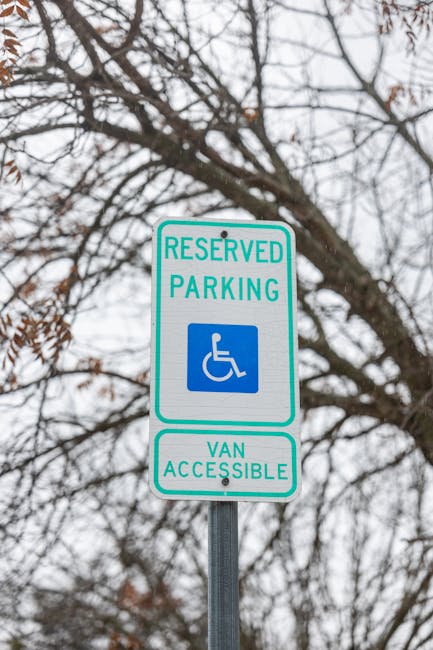
If you are arranging a clean near Kingston Hill, parking is not just a small detail tucked into the job sheet. It can shape the whole visit. One missed permit, one unclear bay restriction, and suddenly a simple clean turns into a rushed arrival, extra walking, or worse, a parking fine. For Kingston cleaners near Kingston Hill, getting the permit and parking rules right means smoother access, safer unloading, and a better experience for everyone involved.
This guide breaks down the practical side of working around Kingston Hill in plain English. We will look at why the rules matter, how permit parking usually works in a local residential area, what cleaners should check before arrival, and how to avoid the silly mistakes that cost time. You will also find a checklist, a comparison table, a real-world example, and a few common questions people ask when booking cleaning visits in the area.
Expert summary: near Kingston Hill, the safest approach is simple: check the bay type, confirm whether a permit or visitor voucher is needed, plan a legal unloading point, and build a little buffer into the schedule. That one habit saves a lot of stress. To be fair, parking stress is rarely about one big mistake; it is usually a chain of small ones.
- Why permits and parking rules matter near Kingston Hill
- How parking and permit access usually works
- Key benefits and practical advantages
- Who needs this and when it makes sense
- Step-by-step guidance
- Expert tips for better results
- Common mistakes to avoid
- Tools, resources and recommendations
- Law, compliance, standards, or best practice
- Options, methods, or comparison table
- Case study or real-world example
- Practical checklist
- Conclusion
- Frequently asked questions
Why Permits and parking rules for Kingston cleaners near Kingston Hill Matters
Parking rules matter because cleaning jobs depend on timing and access. A cleaner may only need a short stop, but even a short stop can be tricky if the road has controlled parking, time-limited bays, yellow lines, resident-only bays, or narrow access. Around Kingston Hill, that kind of setup can turn a standard domestic clean, a move-out clean, or a larger office visit into a logistical puzzle if nobody checks in advance.
There is also a trust factor. When a cleaner arrives on time, parks correctly, unloads safely, and starts without fuss, the customer notices. It feels organised. Calm. Professional. When the van circles for ten minutes while someone hunts for a space, the whole day gets slightly tilted. And honestly, once the day gets tilted, everything feels harder.
For homeowners and tenants, parking clarity also protects the property and neighbours. No one wants blocked drives, double-parking, or a van sitting where it should not. In a busy local street, even a small mistake can annoy people or create avoidable conflict. For cleaners, it can also affect insurance and safety expectations, especially if equipment is being carried across a distance or from a roadside with moving traffic.
If your clean involves specialist work such as deep cleaning, end of tenancy cleaning, or office cleaning, access matters even more. These jobs often involve more equipment, more bags, and more time on site. Good parking planning is not glamorous. But it quietly does a lot of heavy lifting.
How Permits and parking rules for Kingston cleaners near Kingston Hill Works
The exact rules depend on the street and the type of property, so it is always best to check each address individually. Around Kingston Hill, a cleaner may encounter resident permit bays, paid parking bays, limited waiting areas, loading restrictions, or mixed-use streets where rules change depending on the time of day. A road that looks straightforward at 8 a.m. may be very different by midday. That is the bit people sometimes miss.
In practice, the process usually works like this:
- Check the street layout and signage before the visit.
- Confirm whether parking is allowed at the arrival time.
- Find out if a resident permit, visitor permit, pay-and-display ticket, or short-stay loading allowance is needed.
- Agree where the cleaner can safely unload equipment.
- Build in enough time for walking from the parked vehicle to the property.
If the property is in a block with communal access, there may be additional rules about where vehicles can stop and how long they can remain in loading bays. For example, a cleaner doing communal area cleaning may need access through a shared entrance, but parking may still be restricted to specific bays or time windows. The same applies to serviced accommodation and hosts using Airbnb cleaning; turnarounds are tighter, so parking mistakes have a bigger ripple effect.
It is worth remembering that parking rules are often stricter than they first appear. A sign might allow loading for a short period, but only if the vehicle is attended. Another bay may permit stopping, but not on the same side of the street at certain times. There is no magic trick here, just careful reading and a small dose of patience.
Key Benefits and Practical Advantages
Good parking planning brings more than just convenience. It supports the quality of the cleaning itself. When cleaners can park close enough to unload safely, they can spend more time on the job and less time working around avoidable friction. That is good for customers, and good for the cleaner too.
- Better punctuality: fewer delays from searching for parking or dealing with restrictions.
- Safer unloading: less carrying of heavy equipment over long distances or across busy roads.
- Lower risk of penalties: reduced chance of fines, clamp issues, or parking disputes.
- Smoother customer experience: the visit starts calmly instead of in a rush.
- Better scheduling: teams can estimate job duration more accurately when access is known.
- More efficient service: cleaners can focus on the clean rather than chasing a parking spot.
There is also a subtle but important advantage: better communication. When the customer knows what to expect, they can prepare visitor permits, entry codes, or loading instructions in advance. That reduces back-and-forth on the day. Simple, yes. But very effective.
For recurring appointments such as regular cleaning or domestic cleaning, the benefits add up over time. One smooth visit is nice. Ten smooth visits are a system.
Who This Is For and When It Makes Sense
This guidance is useful for anyone booking or providing cleaning services near Kingston Hill where parking is not obvious. That includes house cleaning customers, landlords, tenants, hosts, office managers, and cleaners themselves.
You will especially want to plan ahead if the job involves:
- permit-controlled residential streets
- shared driveways or narrow access roads
- busy weekday visits when spaces are limited
- larger cleans with multiple tools or machines
- repeat visits at fixed times
- properties with strict estate or block rules
It also makes sense when the clean is time-sensitive. Think of a move-out handover, a guest changeover, a pre-sale refresh, or a last-minute stain issue. If you need something like move out cleaning or stain removal, parking certainty becomes part of the service, not just an admin detail.
And yes, if you are the customer rather than the cleaner, you can still help a lot. Even one good note about where to park can save twenty minutes on the day. Maybe more. That little message in advance is oddly powerful.
Step-by-Step Guidance
Here is the practical way to handle permits and parking rules before a clean near Kingston Hill. Keep it simple and repeatable.
- Check the address carefully. Do not assume nearby streets share the same rules. On London roads, one side can differ from the next.
- Look for the signage on the street. Note the bay type, hours, and any loading restrictions. If you can, read the sign before the appointment day, not after the van has already arrived.
- Ask whether a permit is needed. If the property sits in resident-only parking, check whether the resident can provide a permit or visitor voucher. If not, ask what the fallback option is.
- Confirm unloading access. Cleaners often need a short stopping point rather than long-term parking. The difference matters.
- Plan the arrival time around enforcement windows. A slot that works at one time may not work later. Morning appointments often give more flexibility, but not always.
- Agree on a backup plan. If the nearest bay is taken, what should happen? A call ahead, a nearby legal space, or a short wait? Decide this before the job, not during it.
- Share clear notes with the cleaner. Gate codes, visitor permit instructions, road name variations, and parking restrictions should all be in one place.
If the job involves specialist equipment such as carpet extraction, upholstery tools, or water-fed window gear, parking planning becomes even more important. Services like carpet cleaning, upholstery cleaning, and window cleaning can require more gear than a standard tidy-up. It is not dramatic, just practical.
Expert Tips for Better Results
In our experience, the easiest wins usually come from simple habits. Nothing fancy. Just tidy preparation and a bit of local awareness.
- Take a photo of the bay sign. It helps avoid confusion later, especially if the street has several different restriction types.
- Allow a small buffer. Even ten extra minutes can absorb parking delays without derailing the whole job.
- Keep a clear unloading route. If bags, tools, or cleaning liquids need to move from vehicle to property, the route should be safe and direct.
- Check for school runs, bin days, and delivery pressure. These everyday patterns can make a road feel very different on different mornings.
- Separate parking access from job quality. A great cleaner can still have a delayed start if the parking plan is weak. It is not about skill; it is about logistics.
One small tip that often gets overlooked: if a property has a narrow road or a tricky turn, describe it in plain language. Something like "best access from the south side, tight corner near the junction" can be more useful than a formal address note. It sounds minor. But it helps.
For bigger cleaning jobs, especially after builders cleaning or one off cleaning, make sure the parking plan also covers waste bags, extra cloths, and any drying equipment. No one enjoys carrying heavy bits back and forth under a grey Kingston sky. Been there, done that, not ideal.
Common Mistakes to Avoid
Parking problems are usually avoidable. The trouble is that they often look obvious only after the mistake happens. A few common ones come up again and again.
- Assuming the street is unrestricted. Many streets near busy London areas look open at a glance but are actually controlled.
- Forgetting permit handover. If the resident was meant to leave a visitor permit out, it needs to be there before arrival.
- Blocking a driveway "just for a minute". That is rarely worth the risk. And neighbours do notice.
- Confusing loading with parking. They are not the same, and enforcement may treat them differently.
- Not allowing time for equipment carry. A job might technically be on time, yet still feel late if the cleaner has to lug gear from far away.
- Ignoring repeat-visit patterns. A weekly booking can fall apart if the parking plan changes every time.
Another subtle mistake is not giving the cleaner the full picture. A quick "there's parking nearby" sounds helpful, but it is not enough. Is it resident-only? Paid? Time-limited? A little vague, and then everyone ends up guessing. Guessing is not a strategy.
If your booking relates to tenancy handover work, pair the parking plan with service details such as end of tenancy cleaning or move in cleaning so the team knows how much equipment to bring and how long they can stay.
Tools, Resources and Recommendations
You do not need a complicated toolkit to manage parking well. A few simple things help more than people expect.
| Helpful item | Why it helps | Best time to use it |
|---|---|---|
| Street sign photo | Captures the exact restriction details | Before the appointment |
| Short access note | Explains where to stop, unload, or wait | At booking confirmation |
| Visitor permit or voucher details | Prevents last-minute parking confusion | Before the cleaner sets off |
| Backup space suggestion | Gives the cleaner an alternative if the first choice is taken | When access is tricky |
| Arrival buffer | Helps absorb delays from traffic or parking search | For busy roads and permit zones |
From a service-planning point of view, it also helps to match the parking plan to the cleaning type. A lighter domestic visit may only need brief stopping space. A more involved service, such as steam carpet cleaning or oven cleaning, may need heavier equipment and a more careful unloading setup.
If you are comparing providers, the clearest signal is often how they talk about access before the job. A good cleaner will ask sensible questions, not just assume it will all work out. That is usually a sign they have done this enough times to know the awkward bits.
Law, Compliance, Standards, or Best Practice
Parking near Kingston Hill is governed by local street restrictions and the normal rules of the road, so the safest approach is to treat signage as the deciding factor. In the UK, parking and stopping rules can change from street to street, and local enforcement may apply to residents' bays, loading areas, yellow lines, and time-limited parking. Because of that, cleaners and customers should avoid casual assumptions. If a sign is unclear, do not guess. Read it twice, and if needed, use the nearest safe alternative.
From a best-practice point of view, cleaners should also keep access safe. That means avoiding unsafe roadside unloading, not leaving tools where they could trip people, and not blocking pavements, dropped kerbs, or shared entrances. For commercial work, the same principle applies, only with more moving parts. Services like commercial cleaning and office cleaning often need clearer building instructions because staff, visitors, and deliveries may all be using the same access points.
Insurance and safety matter too. A responsible provider should think about vehicle access, manual handling, and the safe movement of equipment. You can see the general approach reflected in the company's health and safety policy and insurance and safety information. Those pages are useful because they show that parking and access are not treated as afterthoughts.
Best practice in this area is pretty straightforward: plan early, communicate clearly, and keep the job legal and safe. That is the whole game, really.
Options, Methods, or Comparison Table
There are a few ways to handle parking for a clean near Kingston Hill. None is perfect in every case, so the right choice depends on the street, the job size, and whether the cleaner is arriving with a lot of equipment.
| Approach | Best for | Pros | Possible drawback |
|---|---|---|---|
| Resident or visitor permit | Homes in controlled parking zones | Often closest access; clearer for repeated visits | Requires advance arrangement and correct permit use |
| Pay-and-display or short stay bay | Flexible one-off visits | Simple if spaces are available | May be time-limited or expensive for longer jobs |
| Nearby legal loading area | Jobs with fast unloading | Useful for equipment drop-off | May only allow brief stopping, with strict conditions |
| Pre-arranged access from the customer | Blocks, estates, or tight roads | Can reduce confusion and delays | Depends on the customer providing accurate instructions |
If the property is a rental, an end-of-tenancy job, or a move-related booking, pre-arranged access often works best because there is already a lot happening on the day. For example, pairing parking instructions with move out cleaning avoids the awkward "where exactly can we stop?" moment when everyone is already busy.
Case Study or Real-World Example
Picture a weekday morning near Kingston Hill. A cleaner is booked for a three-hour domestic clean in a side street with resident parking controls. The customer assumes the van can stop outside for a few minutes. The cleaner arrives, finds the bay occupied, and starts circling. Nothing dramatic, but now the visit begins with a five-minute delay, then another three minutes for unloading from a legal spot a little further away.
That same job, planned properly, looks quite different. The customer sends a note the day before: the street uses permit bays until mid-morning, visitor permit is available, and the best unloading point is just past the corner. The cleaner arrives, parks legally, unloads once, and gets straight on with the work. The room smells faintly of fresh detergent, windows are open, and the whole visit just feels easier. No drama. No scramble. Everyone wins.
This is especially noticeable with services like house cleaning or one off cleaning, where the job is already based on efficiency and flow. A parking issue can be enough to throw off the rhythm. And when the rhythm is off, you feel it in the whole appointment.
The lesson is plain: good parking guidance is not a luxury. It is part of good service.
Practical Checklist
Use this checklist before the cleaner heads to Kingston Hill:
- Confirm the exact address and nearest access point.
- Check whether the road is in a controlled parking zone or permit area.
- Read the street signs for bay type, hours, and restrictions.
- Confirm whether a resident permit, visitor permit, or pay bay is needed.
- Share any gate codes, intercom instructions, or block entry details.
- Tell the cleaner where it is safe to unload.
- Ask whether the visit needs extra time for carrying equipment.
- Decide what to do if the nearest space is taken.
- Keep the booking notes short, clear, and in one place.
- Allow a buffer if the appointment is during a busy traffic window.
If you tick all ten, you are in a strong position. Not perfect, maybe, but strong. And that is usually enough to keep the day moving.
Get a free quote today and see how much you can save.
Conclusion
Parking and permit planning near Kingston Hill may seem like a small admin task, but it has a big effect on how smoothly a cleaning visit runs. When the access is clear, the cleaner can arrive calmly, unload safely, and get started without losing momentum. When it is unclear, even a good clean can begin with avoidable friction.
The best approach is simple: check the street, confirm the permit situation, plan a legal unloading point, and communicate the details early. That works for domestic cleans, end-of-tenancy jobs, office visits, and everything in between. In practice, the cleaner who has the easiest day is often the one who knew the parking plan before leaving the depot.
If you are booking a service near Kingston Hill, a few minutes of preparation can make the whole experience feel more polished and a lot less stressful. And honestly, that calm start matters. It sets the tone for everything else.
For more about the company behind these services, you can also browse the about us page, review the terms and conditions, or check the pricing and quotes information before you book.
Frequently Asked Questions
Do Kingston cleaners near Kingston Hill need a parking permit?
Sometimes, yes. It depends on the street and the time of day. Some roads have resident permit bays, some have paid parking, and some have loading-only rules. The sign on the street is the key reference.
Can a cleaner stop briefly in a permit bay to unload?
Possibly, but only if the local restrictions allow it. Loading rules are often more specific than people expect, so the cleaner should check the sign and avoid assuming a quick stop is automatically permitted.
What should I tell the cleaner before the visit?
Share the exact parking instructions, the nearest legal bay, any permit details, gate codes, and whether there is a better unloading spot. A short message with clear details is usually enough.
What happens if no space is available outside the property?
The cleaner may need to use the nearest legal bay and carry equipment a little farther. That is not ideal, but it is manageable if the job has been planned with a buffer.
Are parking rules different for one-off cleaning and regular cleaning?
The street rules are the same, but repeat visits are easier when parking is already arranged. For regular cleaning, it is worth setting a standard parking routine so the job starts the same way each time.
How can parking affect the length of a cleaning appointment?
If the cleaner has to walk far from the vehicle or spend time looking for legal parking, the visit can take longer. That is why access details matter so much, especially for larger services.
Is it better to book morning or afternoon cleans near Kingston Hill?
It depends on the street, but mornings can sometimes be easier for parking. That said, every road is different, so it is wise to check the local pattern rather than rely on a blanket rule.
Do commercial cleans need more parking planning than domestic ones?
Often they do. Commercial jobs may involve more gear, more people, and tighter timing. Services such as commercial cleaning and office cleaning usually benefit from a clear access plan.
What is the biggest mistake people make with parking arrangements?
The biggest mistake is assuming "there's usually parking" is good enough. Usually is not the same as definitely, and parking enforcement does not really care about hopeful language.
Should I mention parking when requesting specialist services?
Absolutely. If you are booking something like steam carpet cleaning, upholstery cleaning, or window cleaning, the cleaner may need to bring different equipment and plan for extra unloading time.
What if I am not sure whether my street has restrictions?
Check the signs on the street first, and if anything feels unclear, take a photo and share it with the cleaner. It is better to clarify in advance than to guess on the day.
Can parking problems affect safety as well as timing?
Yes. Poor parking can force cleaners to carry equipment farther, cross busy roads, or unload in awkward spots. Good access planning helps protect both the job and the people doing it.